Ultraviolet Filters

Precision wavelength selection from 193nm to 380nm
UV Filters

Andover UV Filters

Unmatched performance across the ultraviolet spectrum
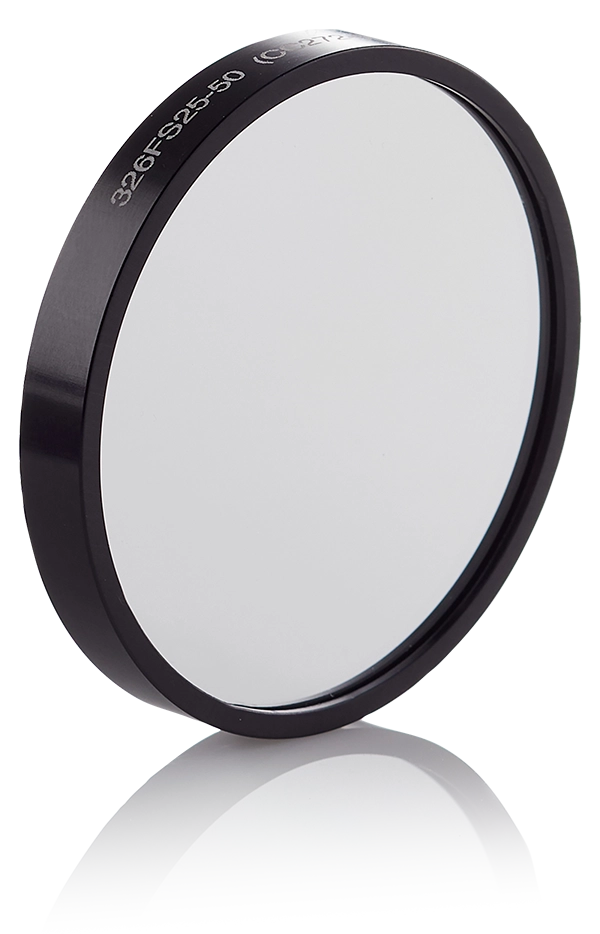
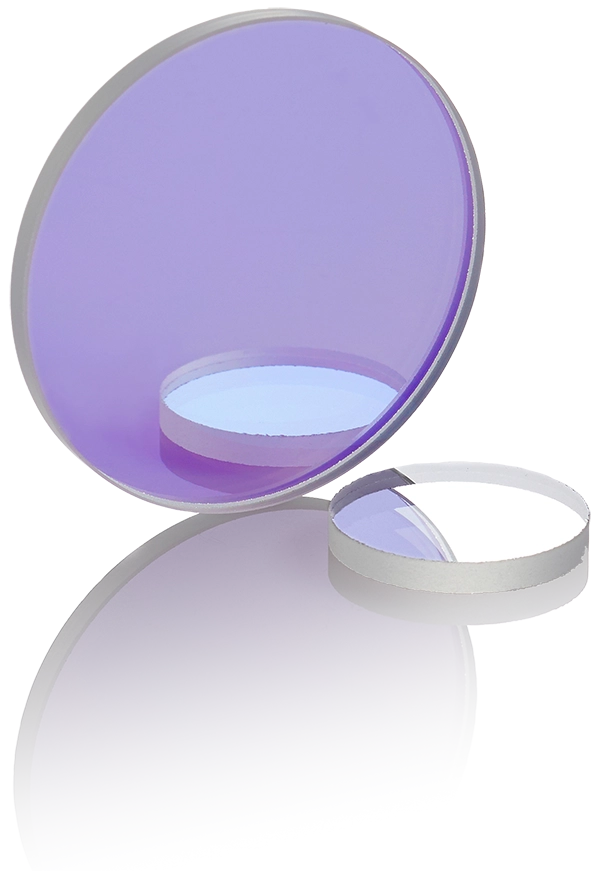
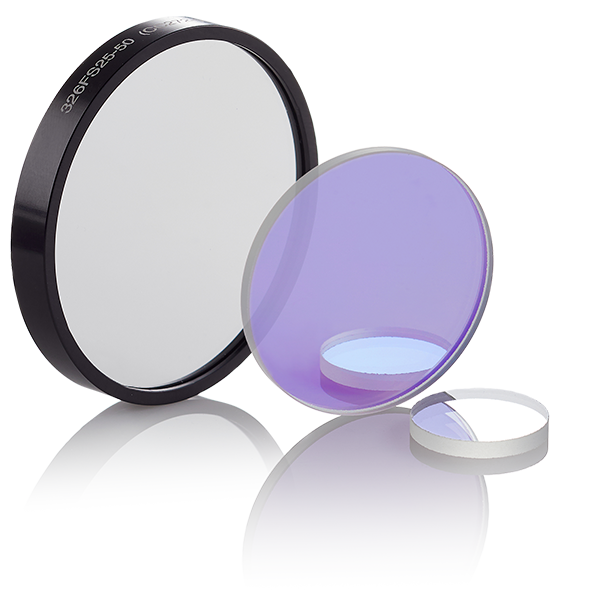
Engineered for high performance across the ultraviolet spectrum, our optical filters deliver exceptional transmission and stability from deep UV wavelengths as low as 193 nm up to 380 nm.

We utilize precision metal coatings for deep UV applications, and advanced dielectric fluoride coatings above 260 nm, meeting the stringent demands of commercial applications including:

  • Semiconductor lithography
  • Analytical instrumentation
  • Laser-based systems
  • Pollution monitoring

For applications requiring even higher transmission, our latest generation of high-efficiency dielectric coatings extends performance down to 260 nm—offering enhanced throughput and durability compared to both metal and traditional fluoride-based designs.

We also offer UV neutral density (ND) filters with precisely controlled attenuation, ideal for beam shaping and intensity management in sensitive UV measurement environments.

UV Filter Construction

UV filters utilize specialized thin-film coatings to manage ultraviolet light from 193 nm to 380 nm. With options ranging from standard reflective coatings to high-efficiency dielectric designs and neutral density filters, understanding the strengths of each type helps ensure the right balance of transmission, spectral control, and optical design flexibility for your application.

Resistance Evaporation (Metals/Fluorides)

  • Narrowband bandpass filters from 193–380nm
  • Standard sizing 12.5–50mm, with custom orders available
  • Stable coatings with 10-year shelf life
  • Best suited for less rugged environments, moderate abrasion resistance

Ion Assisted Electron Beam Deposition (IAED)

  • High transmission and durable first-surface coatings
  • Can coat any size and core out of plate as first surface
  • Low absorption from 260–380nm
  • Very stable coatings that withstand heat, severe abrasion, and humidity

Frequently Asked Questions

What are UV optical filters used for?

UV optical filters are designed to control ultraviolet light within specific wavelength ranges, typically from 193 nm to 380 nm. They’re used to isolate, attenuate, or redirect UV radiation in systems such as semiconductor lithography, analytical instrumentation, pollution monitoring, and UV laser setups.

What types of UV filters does Andover Corporation offer?

Andover manufactures several UV filter types to match different performance requirements:

  • Standard resistance-coated UV filters for precise deep-UV spectral selection.

  • UV cold mirrors and dielectric filters for high transmission from 260 nm upward.

  • First-surface UV filters for systems requiring direct optical access or custom geometries.

  • UV neutral density (ND) filters for controlled attenuation without altering the spectral profile.

How do first-surface UV filters differ from other designs?

First-surface UV filters have coatings applied directly to the incident surface, allowing for custom shapes and integration into systems where the filter must interact directly with the optical path. They provide mechanical flexibility but slightly lower transmission than dielectric-coated optics.

What are UV neutral density (ND) filters and when are they used?

UV ND filters attenuate light evenly across the spectrum, maintaining spectral neutrality. They’re ideal for UV laser systems, imaging setups, and calibration equipment where consistent power reduction is needed without wavelength distortion.

Can Andover create custom UV filters?

Yes. Andover specializes in custom UV optical filters with user-defined wavelength ranges, bandwidths, optical densities, shapes, and sizes. Our vertically integrated process—from substrate fabrication to coating—ensures precision and repeatability for specialized applications.

Quality isn't just a metric

- it's our foundation.

0 %
On-Time Delivery Rate
Delivering Precision, On Schedule
0.5 %
Return Rate
Industry-leading quality
0 %
Traceability
Complete documentation

Contact Our Team

Ready to discuss your optical needs? Whether you're looking for a quote or have technical questions, our expert team is here to help guide you to the perfect solution.